In the ever-evolving world of education and learning, where details streams generously and access to knowledge is only a click away, student-driven encyclopedias are becoming a vibrant tool in the discovering procedure.
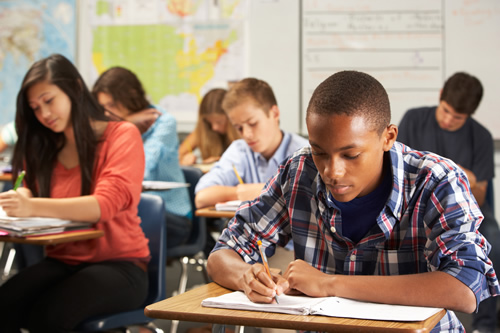
These platforms not only supply pupils with a repository of details yet additionally motivate them to add, modify, and curate material, cultivating a collaborative and interactive understanding atmosphere.
As academic standards change towards even more participatory and inclusive versions, the idea of student-driven encyclopedias symbolizes this change. These systems encourage trainees to come to be energetic participants in expertise production, connecting the space in between standard textbook discovering and modern electronic resources.
Student-driven encyclopedias are electronic systems where students jointly gather, verify, and distribute info on a vast range of topics. Unlike traditional encyclopedias, which are frequently created by experts, these systems leverage the joint efforts of trainees to produce a detailed body of expertise.

At their core, student-driven encyclopedias are created to cultivate important reasoning, research study skills, and digital proficiency amongst trainees. By taking part in the procedure of content production, trainees learn to navigate and examine information critically, abilities that are vital in today’s information-rich society.
In addition, these platforms work as an area for students to discover their rate of interests and share their competence. This democratic approach to knowledge creation ensures that a varied variety of viewpoints and voices are stood for, enriching the discovering experience for all participants.
Fundamentally, student-driven encyclopedias change pupils from easy recipients of information into active factors, instilling a sense of ownership and obligation in their academic journey.
Among the primary benefits of student-driven encyclopedias is the development of vital 21st-century abilities. As pupils take part in the process of content creation, they hone their important reasoning, electronic proficiency, and interaction skills, all of which are critical in today’s interconnected world.
In addition, these platforms encourage a collaborative discovering atmosphere, where students can work together to confirm details, discussion different viewpoints, and co-edit short articles. This peer-to-peer interaction not just boosts discovering end results yet additionally cultivates a feeling of community and mutual regard amongst pupils.
Additionally, student-driven encyclopedias offer a platform for showcasing pupil work. As pupils add to the encyclopedia, they build a portfolio of their research and writing, which can be very useful for further scholastic and specialist quests.
Despite the various advantages, student-driven encyclopedias additionally encounter particular difficulties. Guaranteeing the accuracy and dependability of details is vital, as these platforms rely on contributions from pupils who may not yet possess expert-level understanding.
To mitigate these difficulties, several student-driven encyclopedias implement a system of checks and balances, where material is reviewed by instructors or experts prior to publication. This guarantees that the information offered is both exact and trustworthy, promoting the honesty of the platform.
As technology continues to advancement and the landscape of education and learning develops, the capacity for student-driven encyclopedias is substantial. These systems have the ability to not only complement standard instructional sources however additionally redefine the way knowledge is acquired and shared.
In the future, we could see student-driven encyclopedias incorporating more advanced modern technologies such as artificial intelligence and artificial intelligence to academic reference enhance content curation and personalization. Furthermore, they may broaden past textual information to consist of multimedia content, using an extra immersive understanding experience.
Student-driven encyclopedias hold the promise of equipping the next generation of learners. By placing students at the helm of expertise production, these systems encourage long-lasting learning, inquisitiveness, and intellectual freedom.
To conclude, as instructional systems remain to innovate, student-driven encyclopedias stand as a testimony to the power of collaboration and the significance of pupil company in the discovering procedure. By embracing these systems, we open the doors to a much more comprehensive, interesting, and dynamic instructional experience for all.